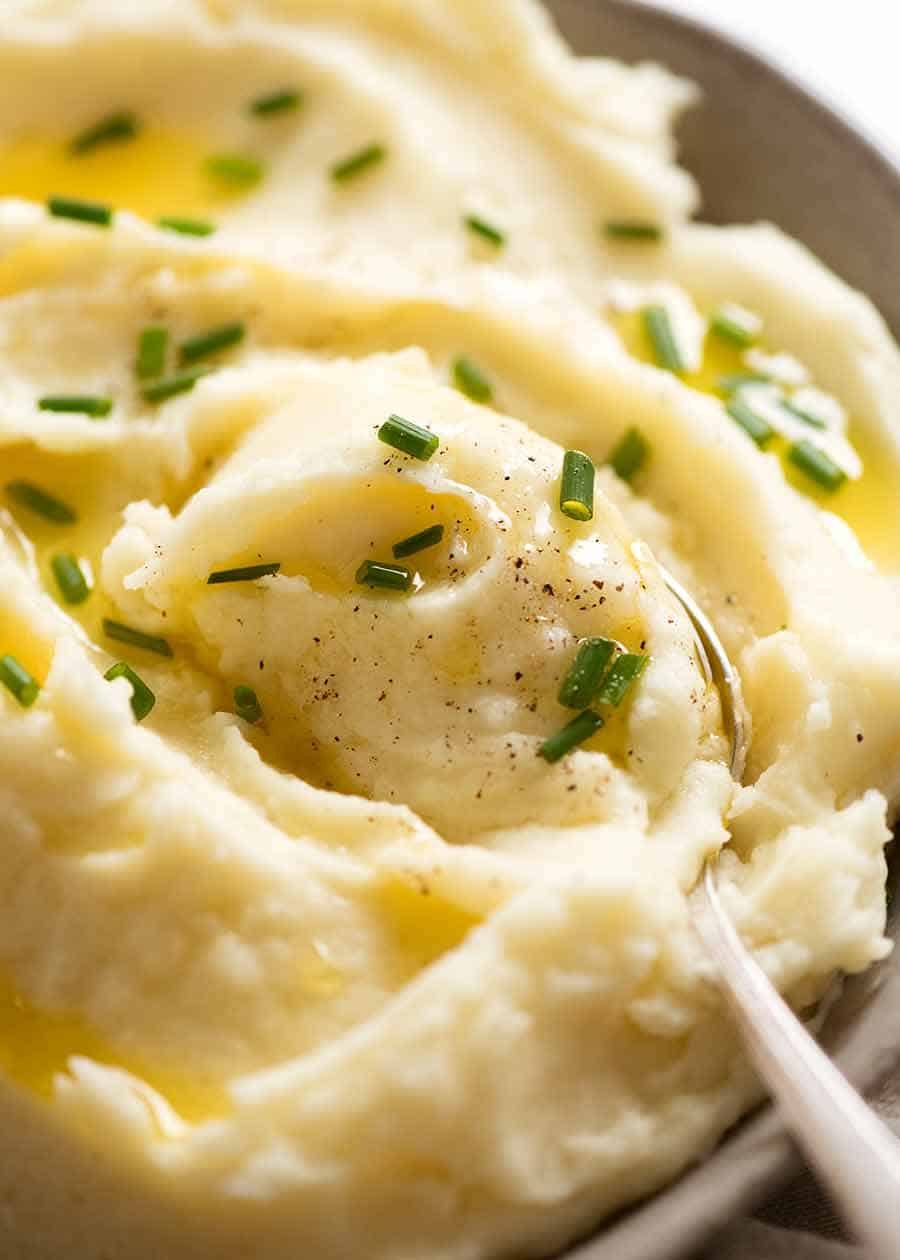
No holiday feast or comforting weeknight meal feels truly complete without a generous bowl of mashed potatoes. More than just a simple side, the perfect mashed potatoes are a culinary masterpiece: incredibly buttery, luxuriously creamy, and delightfully fluffy. But achieving this trifecta of texture and taste isn't always intuitive. Many aspire to the ultimate spud perfection, often encountering pitfalls like gluey consistency or bland flavor.
Fear not, aspiring potato maestros! This comprehensive guide will arm you with professional tips and a detailed roadmap to create the absolute best mashed potatoes recipe imaginable. We’ll delve into everything from selecting the ideal spuds to mastering the mash, ensuring every spoonful is a testament to pure, unadulterated comfort and flavor.
The Foundation of Flavor: Selecting the Best Potatoes for Mashing
The journey to transcendent mashed potatoes begins with the right choice of potato. Different varieties offer distinct characteristics that directly impact the final texture. Understanding these differences is crucial for achieving your desired outcome.
High-Starch Heroes: Russets and Idaho Potatoes
For that quintessential fluffy texture, high-starch potatoes like Russets (often labeled as baking potatoes) or Idaho potatoes are your champions. Their low moisture content and crumbly flesh break down easily when cooked, making them ideal for light, airy mashes. When mashed, they readily absorb butter and dairy, resulting in a rich, cloud-like consistency. Due to their thicker, tougher skin, these varieties should always be peeled before cooking.
Creamy Dreamers: Yukon Gold Potatoes
If your ideal mashed potato leans more towards a naturally buttery, dense creaminess, Yukon Gold potatoes are an excellent choice. These medium-starch potatoes have a richer, more inherently buttery flavor and a smoother texture than Russets. Their thinner skin can even be left on for a rustic touch and added textural interest, though peeling them will result in a silkier mash. They don't absorb as much liquid as Russets, contributing to a denser, more velvety product.
For an in-depth look at choosing your spuds, check out our guide on Perfect Mashed Potatoes: Choosing the Best Potatoes & Key Tips.
Pro Tip: Baking vs. Boiling for Superior Texture
While boiling is the most common method for cooking potatoes for mashing, consider baking them for a superior result. Baking potatoes, especially high-starch varieties, in their skins (at 400°F for about an hour, depending on size) prevents them from absorbing excess water. This leads to a drier, more concentrated potato flesh that readily soaks up all the glorious butter and cream you're about to add, enhancing both flavor and fluffiness. Once baked, simply scoop out the tender flesh and proceed with mashing.
Essential Ingredients: Beyond Just Potatoes
Once you’ve chosen and cooked your potatoes, the magic truly begins with the supporting cast of ingredients. These elements transform simple cooked potatoes into the irresistible, creamy, buttery side dish you crave.
The Unsung Hero: Butter
This is where indulgence meets necessity. Mashed potatoes demand real butter, and plenty of it! Butter not only imparts its signature rich flavor but also contributes significantly to the creamy texture. There’s no substitute here. Whether you opt for salted or unsalted is a matter of personal preference; if using salted, simply adjust your added salt to taste. Cube your butter and allow it to come to room temperature so it melts evenly into the hot potatoes. Don't be shy – this is a key component of the best mashed potatoes recipe.
Dairy Delights: Milk or Cream
The choice between milk and cream depends on your desired richness. Whole milk offers a luscious creaminess without being overly heavy, while heavy cream delivers an unparalleled decadence. Regardless of your choice, a crucial pro tip is to always warm your dairy before adding it to the potatoes. Hot potatoes mixed with cold milk or cream will cool down rapidly, making it harder for the butter to melt and for the potatoes to absorb the liquid effectively. Gently warm your milk or cream on the stovetop or in the microwave until it’s hot to the touch but not boiling.
Simple Seasoning, Big Impact
Keeping the seasonings straightforward allows the natural potato and butter flavors to shine. Fine sea salt and freshly ground black pepper are fundamental. Taste as you go, adding salt in small increments until the flavor truly pops. For an aromatic twist, you can boil a few peeled garlic cloves with your potatoes, mashing them right in. Fresh chives, stirred in at the end, add a beautiful hint of oniony freshness without overpowering the dish.
Pro Tips for Achieving Ultimate Fluffiness and Creaminess
The journey from cooked potato to perfect mash involves a few critical techniques that can make all the difference. Master these, and you'll consistently create the best mashed potatoes.
Masterful Draining: The Secret to Avoiding Watery Spuds
After your potatoes are tender, draining them thoroughly is paramount. Excess water leads to watery, bland mashed potatoes. Once drained, return the hot potatoes to the empty pot over low heat for a few minutes, stirring occasionally. This allows any residual moisture to evaporate, ensuring your potatoes are dry and ready to absorb all the delicious butter and dairy.
Gentle Mashing: Preserving Texture and Preventing Gumminess
This is perhaps the most crucial pro tip: mash by hand! While food processors or electric mixers might seem like a shortcut, their blades can overwork the potato starch, resulting in a gluey, gummy, and utterly unappetizing texture. A classic potato masher, a ricer, or even a sturdy fork will give you the best results. A ricer is particularly excellent for achieving super smooth, lump-free potatoes. Mash the potatoes while they are still hot, as this makes them easier to break down.
Temperature Matters: The Warm Dairy Advantage
As mentioned, adding warmed milk or cream is a game-changer. Cold dairy will shock the hot potatoes, making them stiff and less receptive to absorbing the fats. By warming the dairy, you ensure a consistently smooth, creamy texture and maintain the potatoes' comforting warmth.
The Art of Seasoning and Tasting
Seasoning mashed potatoes isn't a one-and-done step. Add a portion of your butter and warm dairy, mash, and then begin to season with salt and pepper. Taste, adjust, and repeat. Potatoes are notorious for needing a good amount of salt to bring out their flavor. Don't be afraid to add more butter or dairy if the texture isn't quite right. The goal is a velvety, scoopable consistency that melts in your mouth.
Elevate Your Mashed Potatoes: Creative Twists and Serving Suggestions
While a classic buttery, creamy mash is a star on its own, a few additions can transform it into something truly extraordinary.
Stir-Ins and Flavor Boosters
- Roasted Garlic: Roast a whole head of garlic until soft, then squeeze the sweet, caramelized cloves into your mash for a sophisticated depth of flavor.
- Fresh Herbs: Beyond chives, consider finely chopped fresh parsley, rosemary, or thyme for an aromatic kick.
- Cheese: For a richer, savory profile, stir in some grated Parmesan, Gruyère, or even sharp cheddar cheese.
- Crispy Bits: Fold in some crumbled cooked bacon, crispy fried onions, or caramelized shallots for textural contrast and an umami boost.
Perfect Pairings
The versatility of the best mashed potatoes recipe means it pairs beautifully with an array of dishes. They are the quintessential partner for rich gravy, holiday roasts like turkey or prime rib, and braised meats such as Salisbury steak or beef tips. For everyday comfort, serve them alongside roasted chicken, meatloaf, or even as a base for shepherd's pie. No matter the occasion, these creamy spuds promise to be a crowd-plepleasing highlight.
Troubleshooting Common Mashed Potato Mishaps
Even with the best intentions, things can sometimes go awry. Here’s how to salvage common mashed potato problems:
Gummy Potatoes? Here's Why.
This is almost always due to over-mashing. When potato starch is over-processed, it releases and becomes sticky, resulting in a gluey texture. Unfortunately, once potatoes are gummy, it's very difficult to reverse. The best solution is prevention: mash by hand and stop as soon as the desired consistency is reached.
Blandness No More!
If your mashed potatoes taste flat, they likely need more salt. Add a pinch at a time, mix, and taste again. A little more butter can also amplify the flavor. A splash of chicken or vegetable broth, warmed, can also add depth. Don't underestimate the power of freshly ground pepper or a sprinkle of fresh herbs to awaken the palate.
Too Dry or Too Stiff?
This means your potatoes haven't absorbed enough liquid. Gently reheat the potatoes over low heat (or in a microwave) with additional warm milk or cream, a tablespoon at a time, until they reach your desired creamy consistency. A pat of butter melted in can also help loosen them up and add richness.
Mastering the art of mashed potatoes is a rewarding culinary skill that brings joy to any table. By understanding the role of potato varieties, embracing quality ingredients, and applying these simple yet crucial pro tips, you can consistently achieve that coveted buttery, creamy, and ultimately fluffy texture. So go ahead, don't just make mashed potatoes – craft a masterpiece that will have everyone asking for your secret recipe. Enjoy the process, and savor every indulgent bite!
