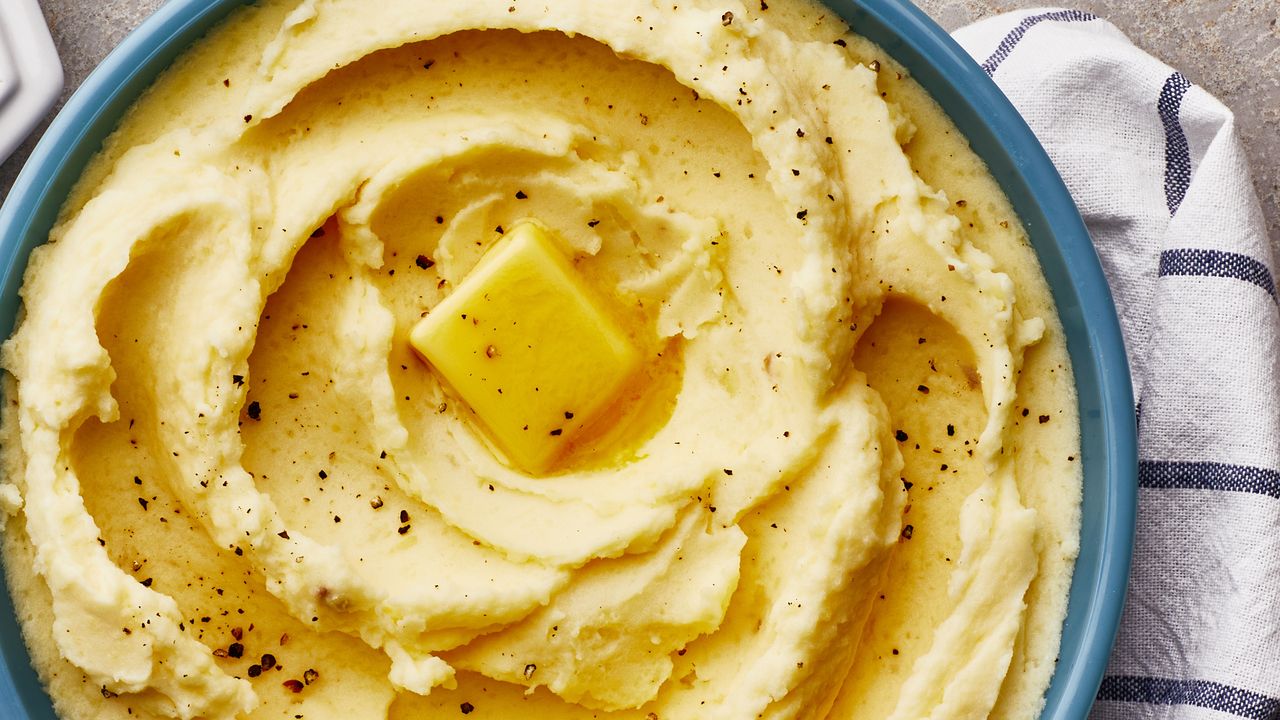
The Best Mashed Potatoes: Achieve Creamy Perfection Every Time
No holiday feast, comforting weeknight dinner, or celebratory gathering feels truly complete without a generous bowl of perfectly creamy, dreamy mashed potatoes. They are the quintessential side dish, a canvas for rich gravies and sauces, and a beloved comfort food for good reason. But what elevates a good bowl of mashed potatoes to the *best mashed potatoes recipe*? It’s a delightful combination of choosing the right ingredients, mastering a few simple techniques, and a touch of culinary love.
This isn't just another mashed potato recipe; it's a comprehensive guide designed to equip you with all the tips and tricks for absolute perfection, every single time. Prepare to create a side dish so incredibly buttery and irresistibly smooth that it will undoubtedly become a staple in your kitchen.
The Foundation of Flavor: Choosing Your Potatoes
The journey to the best mashed potatoes begins with selecting the right type of potato. The starch content plays a pivotal role in the final texture of your mash.
- Russet Potatoes (or Idaho Potatoes): These are often considered the gold standard for mashed potatoes due to their very high starch content and fluffy texture when cooked. Their flesh is dry and mealy, which readily breaks down into a light, airy mash that absorbs butter and cream beautifully. They have a tougher skin that should always be peeled.
- Yukon Gold Potatoes: A fantastic alternative, Yukon Golds offer a slightly waxier, naturally buttery texture and a beautiful golden hue. While less starchy than Russets, they still yield a wonderfully creamy mash. Their thinner skins can even be left on for a bit of rustic texture, if desired, though peeling them will result in a smoother finish.
While other potatoes like red bliss or new potatoes can be used, their waxier texture and lower starch content often result in a gluey or pasty mash, which is exactly what we want to avoid. Stick to Russets or Yukon Golds for truly exceptional results. For a deeper dive into selecting the perfect spud for your needs, check out our guide on
Perfect Mashed Potatoes: Choosing the Best Potatoes & Key Tips.
Pro Tip: Baking for Flavor! If time allows, consider baking your potatoes instead of boiling. Baking Russets at 400°F (200°C) for about an hour yields a dryer, more intensely flavored potato flesh that makes for an even fluffier, less watery mash. Simply scoop out the tender flesh and proceed with the mashing steps. This method is a secret weapon for elevating your mashed potato game!
Essential Ingredients for Unforgettable Mashed Potatoes
While the potato is the star, the supporting cast of ingredients is equally vital in crafting the *best mashed potatoes recipe*. Simplicity often reigns supreme here, allowing the natural flavors to shine.
- Butter: This is non-negotiable. There are simply no substitutes if you're aiming for truly creamy, indulgent mashed potatoes. Use real butter, and don't be shy with it! I prefer good quality salted butter for an extra layer of flavor, but unsalted butter works perfectly, allowing you to control the seasoning precisely. Butter contributes to both the rich flavor and the silky texture.
- Cream or Milk: The choice of dairy influences the richness. Whole milk is a classic choice, providing a creamy consistency without being overly heavy. For an even more luxurious, decadent mash, heavy cream or half-and-half are excellent options. The critical step often overlooked? Warm your dairy! Heating your milk or cream gently before adding it to the potatoes prevents the potatoes from cooling down, ensuring better absorption and a consistently smooth, warm mash.
- Seasonings: Classic salt and freshly ground black pepper are fundamental. Taste as you go, adjusting to your preference. For an aromatic twist, consider boiling a few peeled garlic cloves with your potatoes, or stirring in fresh chopped chives with the butter for a subtle oniony zest.
Keep these core ingredients high-quality, and you're well on your way to a memorable side dish.
Mastering the Technique: Step-by-Step Perfection
Even with the best ingredients, technique is key to avoiding gummy, lumpy, or bland mashed potatoes. Follow these steps for consistently perfect results.
The Art of Boiling Potatoes
- Peel and Cut: Peel your chosen potatoes thoroughly. Cut them into uniform 1-inch to 2-inch chunks. Uniformity is crucial for even cooking; uneven pieces will result in some being overcooked and watery, while others remain firm.
- Start in Cold Water: Place the cut potatoes in a large pot and cover them with cold water by about an inch. Add a generous pinch of salt to the water. Starting in cold water ensures the potatoes cook evenly from the outside to the inside.
- Boil Until Tender: Bring the water to a boil, then reduce the heat to a gentle simmer. Cook for 15-20 minutes, or until the potatoes are fork-tender and easily pierced with a knife, but not falling apart. If you leave them whole, this will take longer.
Draining for Dryness
This is arguably the most critical step for fluffy mashed potatoes. Excess water leads to a gummy texture.
- Drain Thoroughly: Once tender, drain the potatoes completely in a colander.
- Steam Dry: For ultimate dryness, return the drained potatoes to the warm, empty pot. Place the pot back over low heat for 2-5 minutes, gently shaking it occasionally. This allows any residual moisture to evaporate, resulting in a fluffier, more flavorful mash.
The Gentle Mash
- Mash Immediately: While the potatoes are still hot and dry, it's time to mash. A potato ricer is highly recommended for the smoothest, fluffiest results, as it processes the potatoes without overworking them. A traditional hand masher also works well, yielding a slightly chunkier texture. Avoid using a food processor or immersion blender, as these tools can overwork the starches, turning your potatoes into a gluey mess.
- Add Butter First: Once mashed, add your generous amount of room-temperature or slightly melted butter directly to the hot potatoes. The heat from the potatoes will melt the butter, ensuring it's evenly distributed and coats every starchy molecule. Stir gently to incorporate.
Integrating the Goodness
- Warm Dairy, Gradually: Slowly pour your warmed milk or cream into the potatoes, a little at a time. Gently fold and stir until the desired creamy consistency is achieved. You might not need all of the dairy, depending on the potato type and your preference.
- Season and Taste: Add salt and pepper to taste. Mix gently. Remember, you can always add more seasoning, but you can't take it away!
Pro Tips for Creamy Perfection
Even though the *best mashed potatoes recipe* is straightforward, these professional insights will ensure your spuds reach their full potential:
- Don't Skimp on the Butter: As mentioned, butter is key. It adds richness, flavor, and that coveted creamy texture. This is not the time to be frugal!
- Heat Your Dairy: Always warm your milk or cream. Cold dairy will cool down your potatoes, making them less receptive to absorption and potentially leading to a stiffer, less homogenous mash.
- Drain, Drain, Drain: The single most common cause of gummy mashed potatoes is too much water. Follow the steam-drying step meticulously.
- Mash by Hand (or Ricer): Avoid mechanical mixers. Overworking potatoes develops their starch, leading to a glue-like consistency. A ricer separates the starch cells without tearing them, resulting in the lightest, fluffiest mash. If using a hand masher, aim for light, consistent pressure.
- Season Liberally and Taste: Potatoes absorb a lot of salt. Don't be afraid to season them well, tasting frequently as you go.
- Serve Immediately: Mashed potatoes are at their absolute best fresh off the stove. If preparing ahead, keep them warm in a slow cooker on the "warm" setting with a splash of extra warmed milk.
For more expert advice on achieving that coveted fluffy texture, explore our dedicated article:
Buttery, Creamy Mashed Potatoes: Pro Tips for Ultimate Fluffiness.
Beyond the Basic: Creative Variations
While the classic *best mashed potatoes recipe* stands alone in its perfection, you can easily adapt it with delicious additions to complement different meals:
- Roasted Garlic Mashed Potatoes: Roast a head or two of garlic until soft and sweet, then squeeze the cloves into your mashed potatoes before adding butter.
- Herby Mashed Potatoes: Stir in fresh chopped chives, parsley, rosemary, or thyme with your butter and dairy.
- Cheesy Mashed Potatoes: Fold in grated Parmesan, sharp cheddar, or Gruyère cheese for an extra layer of richness. Add cheese after the butter and dairy are incorporated, while the potatoes are still hot enough to melt it.
- Sour Cream or Cream Cheese: For a tangy twist and extra creaminess, stir in a dollop of sour cream or cream cheese along with your butter and milk.
With these variations, your mashed potatoes can be tailored to any palate or occasion.
Conclusion
Creating the *best mashed potatoes recipe* is a culinary journey that rewards attention to detail and a love for simple, wholesome ingredients. By choosing the right potatoes, using generous amounts of quality butter, warming your dairy, and mastering the art of gentle mashing, you'll achieve a dish that is consistently creamy, perfectly fluffy, and utterly irresistible. This guide provides all the tools you need to elevate your mashed potatoes from a simple side to a star attraction, ensuring that every spoonful is a taste of pure, buttery perfection. So go forth, mash with confidence, and savor the delicious results!