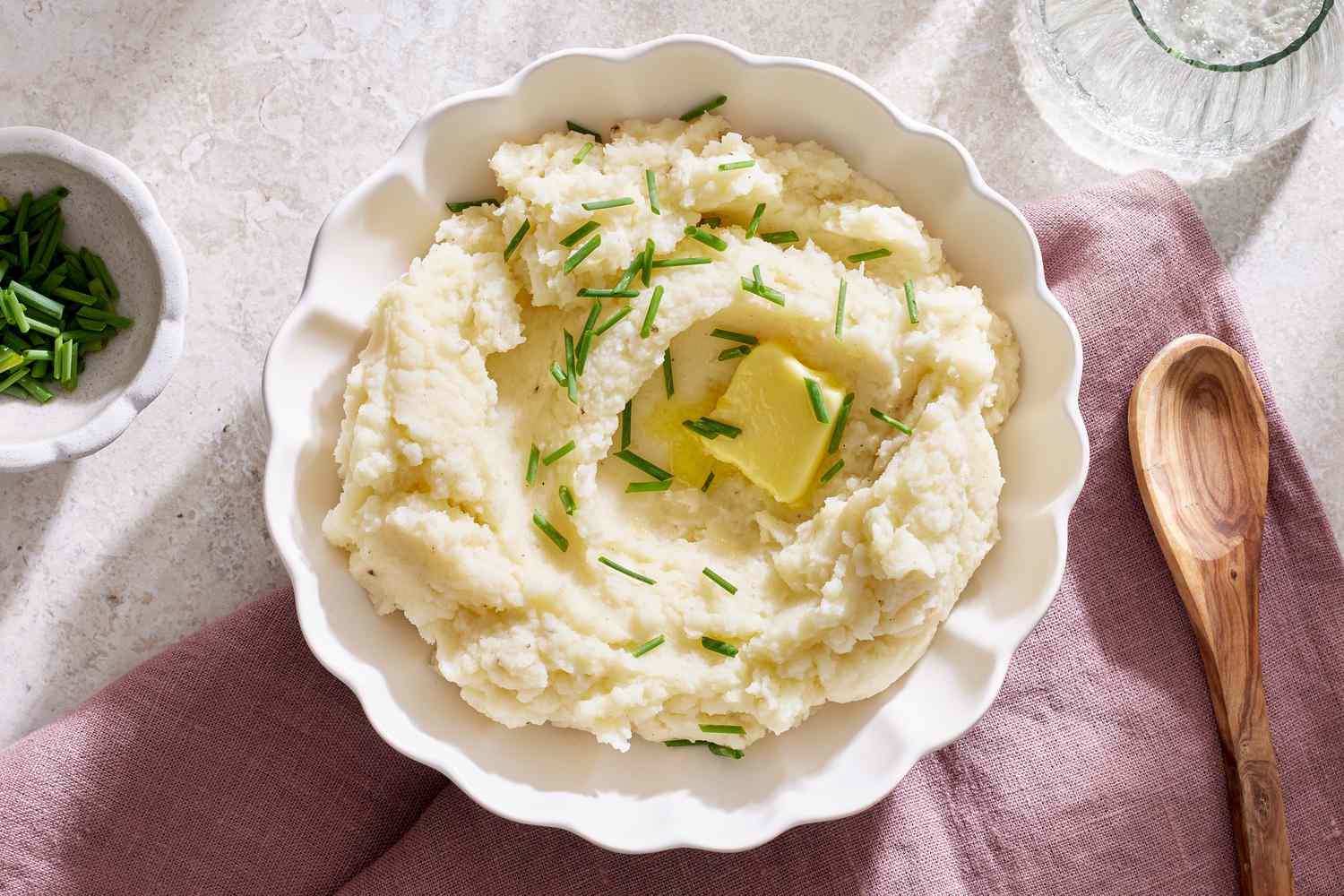
Unlocking the Secret to Perfect Mashed Potatoes: More Than Just a Side
Few dishes evoke such universal comfort and joy as a generous bowl of perfectly mashed potatoes. Whether gracing a holiday feast, complementing a Sunday roast, or simply serving as a soulful side to a weeknight meal, their creamy, buttery allure is undeniable. But what transforms a good mash into the *best mashed potatoes recipe*? It’s a delicate alchemy of choosing the right ingredients, mastering technique, and a sprinkle of expert knowledge.
Achieving that ideal balance of fluffy texture, rich flavor, and velvety smoothness doesn't have to be a culinary mystery. In this comprehensive guide, we'll peel back the layers to reveal the secrets behind truly exceptional mashed potatoes, focusing on the critical first step: selecting your spuds. Prepare to elevate your mashed potato game from humble accompaniment to show-stopping star!
Choosing Your Spud: The Foundation of the Best Mashed Potatoes
The journey to the best mashed potatoes recipe begins in the produce aisle. The type of potato you select is arguably the most crucial factor, dictating the final texture of your dish. Potatoes fall broadly into two categories for mashing: starchy and waxy. Understanding their differences is key.
Starchy Potatoes: The Champions of Fluffiness
- Russet Potatoes (aka Idaho Potatoes): These are hands down the go-to for those dreaming of light, fluffy mashed potatoes. Russets boast a high starch content and low moisture, which means their cells break down easily when cooked, creating a dry, mealy interior perfect for absorbing butter and cream without becoming gluey. The result is an incredibly airy and cloud-like mash. Their skins are thick and tough, so peeling is essential for a smooth finish.
- Why they work: When cooked, their starch granules swell and separate, leading to a floury texture. This allows them to soak up dairy and fat beautifully, resulting in that coveted fluffy consistency without becoming dense or gummy.
Medium-Starch Potatoes: For a Richer, Creamier Texture
- Yukon Gold Potatoes: If your preference leans towards a naturally buttery flavor and a slightly creamier, denser mash, Yukon Golds are an excellent choice. They have a medium starch content and a naturally buttery hue and flavor that enhances the overall richness of the dish.
- Why they work: Their lower starch and higher moisture content mean they don't break down as completely as Russets, resulting in a silkier, almost custardy texture. A bonus? Their thin, delicate skin can often be left on for a more rustic feel and added nutritional value, though peeling them will yield a smoother result.
Potatoes to Avoid for Traditional Mash
While delicious in their own right, waxy potatoes like Red Bliss or New Potatoes are generally not ideal for classic mashed potatoes. Their high moisture and low starch content mean they hold their shape well, but when mashed aggressively, their cells can become gummy and sticky due to the release of excess pectin. Save these for potato salads or roasted dishes.
Pro Tip: The Baked Potato Advantage
For the absolute lightest, driest, and most flavorful mash, consider baking your Russet or Idaho potatoes instead of boiling them. Bake whole potatoes at 400°F (200°C) for about an hour, or until fork-tender. The baking process extracts more moisture than boiling, resulting in a denser, more concentrated potato flavor and a less watery base for your mash. Simply scoop out the fluffy flesh and proceed with mashing. This method is a secret weapon for achieving the best mashed potatoes recipe.
Essential Ingredients: Beyond Just Potatoes
Once you've chosen your perfect spuds, the supporting cast of ingredients plays an equally vital role in crafting the best mashed potatoes recipe. It's about quality, balance, and a few clever techniques.
The Unsung Hero: Butter
Let's be clear: there are no substitutes for real butter when it comes to mashed potatoes. This is not the place to skimp! Butter provides unparalleled richness, flavor, and that luxurious creamy texture. Whether you prefer salted or unsalted is a matter of personal taste – if using unsalted, you'll simply need to be more diligent with seasoning to taste. Don't be shy; generous amounts are key to truly decadent results. For insights into optimizing your butter use, delve deeper into The Best Mashed Potatoes: Achieve Creamy Perfection Every Time.
The Dairy: Milk or Cream
Whole milk is a fantastic choice, providing richness without overpowering the potato flavor. For an even more indulgent experience, heavy cream can be used. The crucial tip here, often overlooked, is to always warm your dairy before adding it to the potatoes. Cold milk or cream will cool down your perfectly hot potatoes, making them harder to incorporate smoothly and potentially impacting the texture. Warming the dairy ensures it blends seamlessly, maintaining the potatoes' temperature and allowing for better absorption.
Seasonings: Simple Perfection or Bold Flavors
At its heart, the best mashed potatoes recipe needs only salt and freshly ground black pepper. These basic seasonings enhance the natural flavor of the potatoes and dairy. However, feel free to experiment:
- Garlic: For a subtle hint of garlic, you can boil a few peeled garlic cloves along with your potatoes. For a bolder flavor, roast a whole head of garlic until soft, then squeeze the pulp into your mash.
- Herbs: Freshly chopped chives, parsley, or even a touch of rosemary or thyme can add brightness and aromatic complexity.
- Nutmeg: A tiny pinch of freshly grated nutmeg can bring warmth and a surprising depth of flavor to savory potato dishes.
Mastering the Mash: Pro Tips for Unbeatable Texture
Beyond selecting the right potato and ingredients, technique is paramount. Even the finest Russets can turn into a gluey mess if handled improperly. Here's how to ensure fluffy, creamy perfection every time.
Boiling to Perfection
Peel and quarter your chosen potatoes into roughly equal-sized pieces to ensure even cooking. Place them in a pot and cover with cold, salted water by about an inch. Bring to a boil, then reduce heat and simmer until the potatoes are fork-tender – typically 15-20 minutes for quartered pieces. Don't overcook them to mush, but ensure they're soft enough to easily fall apart.
The Crucial Step: Drain Well!
This is perhaps the most vital step to prevent watery, bland mash. Once cooked, drain the potatoes thoroughly. Then, return them to the warm, empty pot over low heat for 2-5 minutes, gently shaking the pot occasionally. This allows any residual moisture to evaporate, resulting in a dry, fluffy base that's ready to absorb all the delicious butter and cream. This steaming process is essential for the best mashed potatoes recipe.
The Gentle Art of Mashing
Avoid over-mashing at all costs! Overworking potatoes, especially with an electric mixer or food processor, can break down too much starch, leading to a dreaded gluey, gummy texture. For the ultimate light and fluffy mash, we recommend:
- Potato Ricer: This is the professional's choice. Pushing cooked potatoes through a ricer yields incredibly fine, uniform strands, creating an exceptionally light and lump-free texture.
- Hand Masher: A good old-fashioned hand masher works wonderfully. Mash until just combined and smooth, but stop as soon as you reach your desired consistency.
For more detailed insights into achieving that perfect fluffiness, explore Buttery, Creamy Mashed Potatoes: Pro Tips for Ultimate Fluffiness.
Incorporating Ingredients
Once your potatoes are perfectly mashed, it's time to add the flavor. Gradually add your warmed butter (it should melt almost instantly) and then the warmed milk or cream, mixing gently until just incorporated. Taste and adjust seasonings as needed. Remember, it's easier to add more salt and pepper than to take it away!
Serving Suggestions and Creative Variations
The best mashed potatoes recipe is incredibly versatile. They are the quintessential partner for roasted turkey, succulent pot roast, savory Salisbury steak, or any dish with a rich gravy or sauce. But don't limit yourself!
- Loaded Mash: Stir in shredded cheddar cheese, crispy bacon bits, and chopped chives.
- Garlic Herb Mash: Infuse with roasted garlic and a medley of fresh herbs like rosemary and thyme.
- Sour Cream & Chive: A dollop of sour cream adds a tangy richness that's delightful.
- Cheesy Swirl: Fold in some cream cheese or mascarpone for an extra creamy, luxurious texture.
Leftovers, if any, can be wonderfully repurposed into crispy potato cakes, gnocchi, or even as a topping for shepherd's pie.
Conclusion: Your Journey to Mashed Potato Perfection
Crafting the best mashed potatoes recipe is an incredibly rewarding culinary endeavor. It's a dish that, with the right knowledge and a little care, can transcend its humble origins to become a truly unforgettable part of any meal. By understanding the nuances of potato varieties, respecting the power of quality ingredients like real butter and warm dairy, and employing gentle mashing techniques, you are now equipped to create a bowl of mashed potato perfection every single time. So, go forth, mash with confidence, and savor every creamy, buttery bite!
